Modern Electrical Infrastructure: The Foundation of Industrial Operations
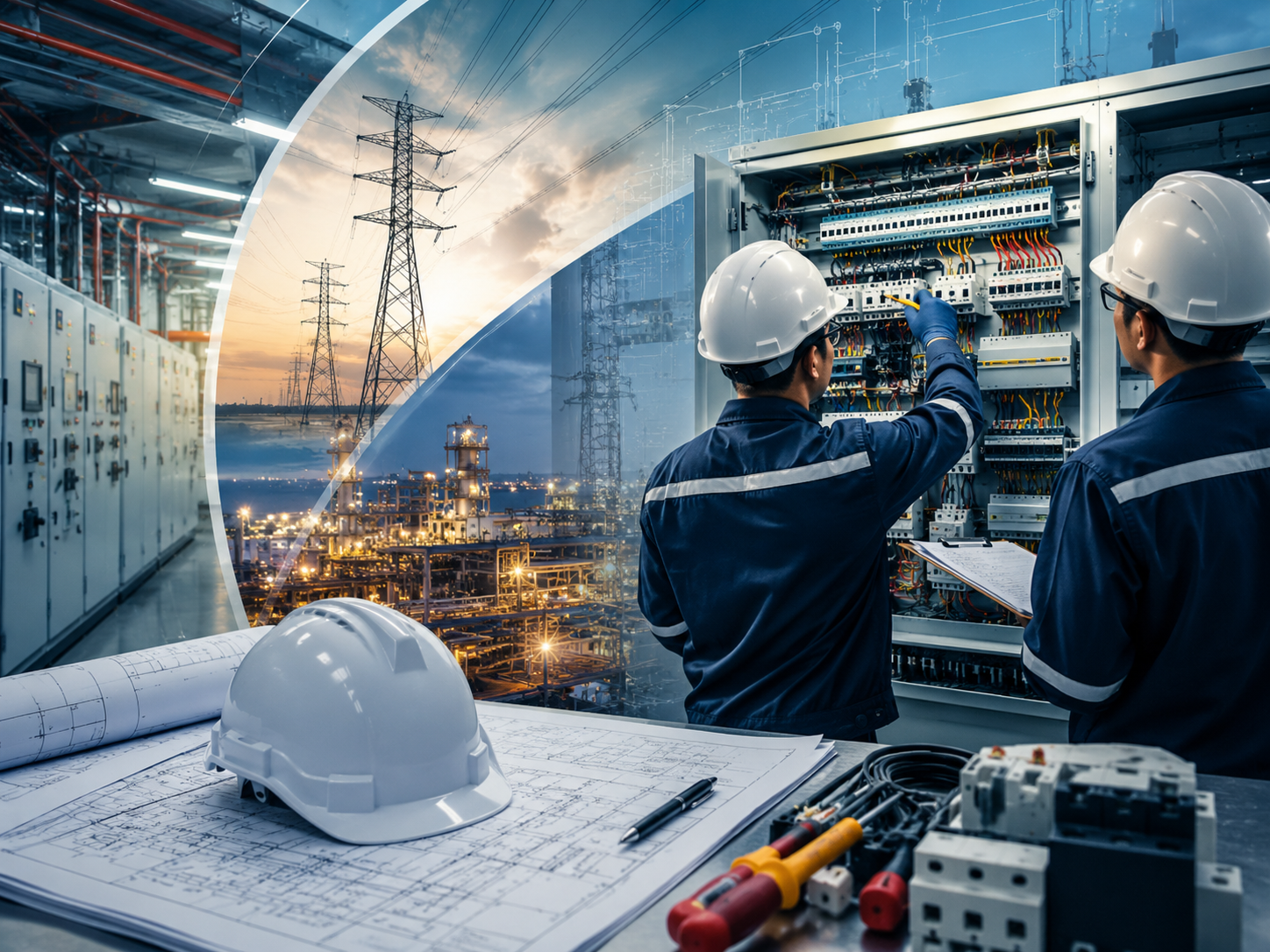
Electrical infrastructure plays a critical role in every industrial facility. From power distribution and control systems to electrical panels, cabling and safety systems, the quality of an electrical installation directly influences the reliability and efficiency of day-to-day operations.
As industrial facilities become more complex, electrical systems must do more than simply deliver power. They need to support changing operational requirements, accommodate modern equipment and maintain a high level of safety and reliability.
A well-planned electrical infrastructure provides the foundation for efficient operations today while allowing the facility to adapt to future requirements.
Why Electrical Infrastructure Planning Matters
Industrial electrical systems involve multiple interconnected components. A weakness in one part of the system can affect the performance of the entire facility.
Effective planning helps address important considerations such as:
- Power requirements
- Load distribution
- Electrical safety
- Equipment compatibility
- Cable routing
- Protection systems
- Maintenance access
- Future expansion
Planning these requirements before installation can help reduce avoidable modifications and provide a more organized electrical environment.
Key Components of an Industrial Electrical System
A modern industrial electrical installation may include several major components working together.
Power Distribution
Power distribution systems are responsible for delivering electrical power to different areas and equipment within a facility. Proper distribution planning helps ensure that electrical loads are appropriately managed and that the system can support operational requirements.
Electrical Panels and Switchboards
Electrical panels and switchboards provide important points for power distribution, protection and control. Their selection and configuration should be based on the facility's electrical requirements, available space and operational conditions.
Cabling and Cable Management
Industrial facilities often involve extensive electrical cabling. Proper cable selection, routing, identification and management can contribute to a safer and more organized installation.
Well-planned cable routes also make inspection and maintenance easier over the life of the facility.
Protection and Safety Systems
Electrical protection is an essential part of industrial infrastructure. Appropriate protection systems help manage electrical faults and protect equipment and personnel.
Safety should be considered throughout the design and installation process rather than treated as a separate requirement.
Designing for Future Requirements
Industrial requirements can change over time.
New machinery may be installed, production capacity may increase, or additional electrical loads may be introduced. An electrical system designed only for current requirements may therefore become difficult to expand.
Future requirements should be considered during the initial planning stage.
This can include:
- Available capacity
- Space for additional equipment
- Expansion of distribution systems
- Cable routing provisions
- Accessibility for maintenance
- Flexibility for future modifications
A forward-looking approach can make future electrical upgrades more manageable.
The Importance of Professional Electrical Execution
Good electrical design needs to be supported by disciplined execution.
Installation quality depends on factors such as:
- Proper material selection
- Correct installation practices
- Organized cable management
- Accurate testing
- Safety procedures
- Quality inspections
- Proper documentation
Every stage of an electrical project contributes to the final performance of the system.
Professional execution also helps create an installation that is easier to inspect, maintain and operate.
Safety Should Be Built Into the Process
Industrial electrical work requires careful attention to safety.
Electrical installations should be planned and executed with applicable standards, project requirements and safety practices in mind.
From equipment selection to installation and testing, safety considerations should remain part of the entire project lifecycle.
A well-organized electrical system is not only about delivering power. It is also about creating an environment where systems can be operated and maintained responsibly.
Choosing the Right Electrical Contractor
Selecting an electrical contractor is an important decision for any industrial project.
Businesses should consider more than just installation capability. Important factors include:
- Engineering understanding
- Project execution capability
- Safety practices
- Quality management
- Technical coordination
- Documentation
- Communication
- Ability to work within project schedules
The right contractor should be able to understand the project's requirements and translate them into a practical electrical installation.
Building Electrical Systems for Long-Term Reliability
Industrial electrical infrastructure is a long-term investment.
A reliable system begins with proper planning and continues through quality installation, testing, commissioning and maintenance.
The objective should not simply be to complete an electrical installation. It should be to create an electrical infrastructure that supports the facility's operations safely and efficiently over the long term.
KEDAR Electrical Contractors & Engineers
At KEDAR Electrical Contractors & Engineers, electrical contracting and engineering are approached with a focus on structured execution, technical requirements, safety and quality.
From electrical infrastructure planning to project execution, every installation requires careful coordination between engineering requirements, site conditions and project objectives.
For businesses planning a new electrical installation, expansion or infrastructure upgrade, professional electrical planning can make an important difference to the project's long-term performance.
Planning an electrical project? Connect with KEDAR Electrical Contractors & Engineers to discuss your requirements.